-
Podcasts
- See All Podcasts
- Aari and Rachel: Unfiltered at Unrivaled
- After 1954
- Alive with Steve Burns
- Archetypes
- As Me
- Ask Iliza Anything
- Attitudes!
- BEING Golden
- BEING Trans
- Believe Her
- Better in Bed with The Sleep Doctor
- Blind Plea
- Boneheads with Emily Deschanel and Carla Gallo
- Born To Love with Ellie Kemper and Scott Eckert
- Brains On Universe Presents….Puberty! (The Podcast)
- Brains On! Science podcast for kids
- Burnout
- Call Declined
- Choice Words with Samantha Bee
- Confessions of a Female Founder with Meghan
- Criminally Online
- Discarded
- Don’t Listen To Us with Mandy Patinkin and Kathryn...
- Everything Happens with Kate Bowler
- Fail Better with David Duchovny
- Family Secrets
- FIRST! with Kareem Rahma
- Forever Ago
- Funny Cuz It’s True with Elyse Myers
- Ghost of a Chance
- Good Grief
- Good Kids
- Good Sex
- Good Things
- Happier in Hollywood
- Happier with Gretchen Rubin
- Hard Feelings with Jennette McCurdy
- Hasan Minhaj Doesn’t Know
- Here Lies Me
- Hildy the Barback and the Lake of Fire
- I Need To Ask You Something
- I’m Sorry
- In Giro Con Fra
- In Recovery with Dr. Nzinga Harrison
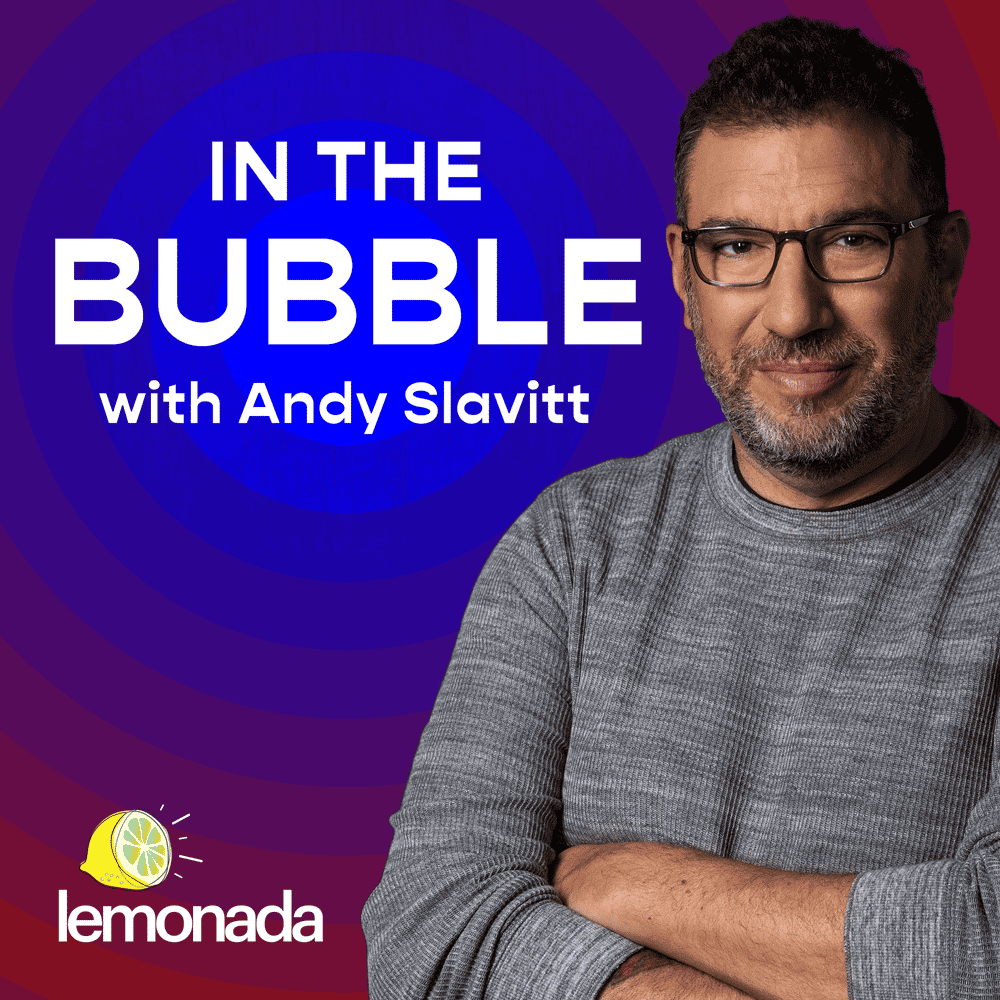
- In the Bubble with Andy Slavitt
- Inner Childish
- Last Day
- Last Day Book
- Legacy Talk with Lena Waithe
- Let’s Tawk
- Longer Tables
- LOVERS by Shan
- Mind Your Own with Lupita Nyong’o
- Moment Of Um
- Mouthpeace with Michael & Pele Bennett
- My So-Called Midlife with Reshma Saujani
- No Magic Pill with Blake Mycoskie
- No One is Coming to Save Us
- OMG Obsessed with Zosia Mamet
- Our America with Julián Castro
- Pack One Bag
- PANTS with Kate and Leisha
- Pantsuit Politics
- Podcrushed
- Pop Culture Debate Club with Ronald Young Jr
- Pressure Cooker
- Pulling The Thread with Elise Loehnen
- Senseless with Erika Mahoney
- Side Hustle School
- Since You Asked with Lori Gottlieb and Gretchen Rubin
- Smash Boom Best: A funny, smart debate show for...
- So U Think U Can Sports?
- Squeezed with Yvette Nicole Brown
- Still My Baby
- Story Pirates
- Talkaboutable with Dr. Susan Swick
- That Can’t Be True with Chelsea Clinton
- The Body Collective
- The Cost of Care
- The Dan Buettner Podcast
- The Dash with Elizabeth Chambers and Marissa Hermer
- The Deep Dive with Jessica St. Clair and June...
- The Defenders
- The Dough
- The Dylan Hour
- The High Life with Ricki Lake
- The Inspiring Women Leadership Lab
- The Moment LIVE! Politics & Culture, Explained
- The Pink House with Sam Smith
- The Sarah Silverman Podcast
- The Suga
- The TryPod
- The Untold Story: Criminal Injustice with Jay Ellis and...
- This Life of Mine with James Corden
- Threedom
- try every day
- Uncared For
- Unwaxed with Sophia and Sistine Stallone
- V Interesting
- What It’s Really Like with Molly Burke
- What’s The Plan? with Leah Greenberg and Ezra Levin
- When It Clicked
- When We Win with Maya Rupert
- Wiser Than Me™ with Julia Louis-Dreyfus
- Workin’ On It
- Worth It
- Written Off
- You Made It Weird with Pete Holmes
- Your Next Listen
-
About Us
- News
-
Shop
- Advertising
-
Connect